This case study explains a conference abstract in the Journal of Animal Science, volume 104, supplement 5 (2026). Read the abstract: https://doi.org/10.1093/jas/skag272.334
Highlights
- Heifers
- 168 supplemented, 8 control
- microRNAs changed
- 2012 up, 8 down
- Other small RNAs
- 11 + 1piRNAs and a tRNA changed
- Fetal liver sampled
- Day 83small RNA sequencing
- Fetuses from heifers given a vitamin and mineral premix from 71 days before breeding to day 83 of pregnancy had 20 microRNAs expressed differently in the liver.
- Twelve microRNAs went up and eight went down with supplementation; 11 piRNAs and one tRNA also changed.
- The genes these microRNAs are predicted to target point to receptor signaling, control of transcription and developmental processes.
- Target genes include ISL2, NRP1, NRP2 and NTRK3.
Methodology
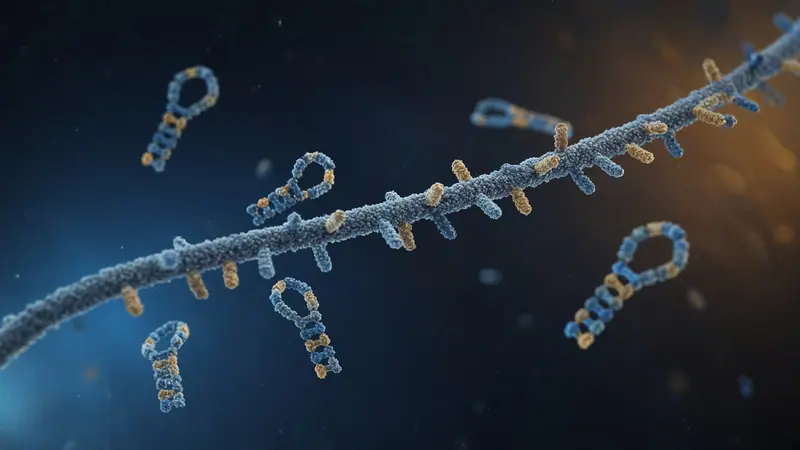
MicroRNAs are short RNAs that fine-tune gene expression by binding messenger RNAs. They are one way the maternal environment can leave epigenetic marks on the fetus, but how early pregnancy nutrition affects them is still little studied. This study measured all major classes of small non-coding RNA in the fetal liver.
Two groups, one difference
Supplemented
- Daily
- Total mixed ration plus 113 g of vitamin and mineral premix
- Period
- Day −71 (before breeding) to day 83 of pregnancy
Control
- Daily
- Same total mixed ration, no premix
- Period
- Same period
Study timeline and analysis
- Day −71 Premix starts 71 days before breeding
- Breeding AI, sexed semen Female-sexed, single sire
- Days 35 and 60 Pregnancy and sex checked Transrectal ultrasonography
- Day 83 Fetal liver collected Total RNA isolated
- Sequencing Small RNA-seq Bowtie mapping; miRNAs, tRNA fragments, piRNAs
- Analysis DESeq2 and enrichment Target enrichment in clusterProfiler (FDR < 0.05)
Results
Twenty microRNAs differed between fetuses from supplemented and control heifers.
Direction of the microRNA changes
- 12 of 20 microRNAs · up with supplement
- 8 of 20 microRNAs · down with supplement
The 20 microRNAs
Higher with supplement
- microRNAs
- miR-2285bk, miR-20b, miR-194b, miR-148b, miR-146a, miR-1388-5p, miR-126-3p, miR-11989, miR-11988, miR-11987, miR-101, miR-378c
Lower with supplement
- microRNAs
- miR-199a-5p, miR-99a-5p, miR-499, miR-377, miR-28, miR-24-3p, miR-1296, miR-340
The predicted target genes of these microRNAs were enriched (FDR < 0.05) for receptor-mediated signaling, transcriptional regulation and developmental processes, with genes such as ISL2, NRP1, NRP2 and NTRK3.
Discussion
The premix appears to reach fetal gene regulation through microRNAs that act on signaling and developmental genes. The same supplement and timing also changed DNA methylation and long non-coding RNAs in the fetal liver at day 83, so several regulatory layers respond to the dam's mineral supply. The broader picture of minerals and fetal programming is in our mineral nutrition review.
As a conference abstract, this work predicts microRNA targets rather than testing them, has 8 animals per group, and the authors call for studies of long-term effects on herd performance.
Conclusion
- Vitamin and mineral supplementation from day −71 to day 83 changed 20 microRNAs in the fetal liver (12 up, 8 down).
- Their predicted targets relate to signaling, transcriptional regulation and development.
- microRNAs may be one route by which maternal mineral supply shapes fetal liver programming.